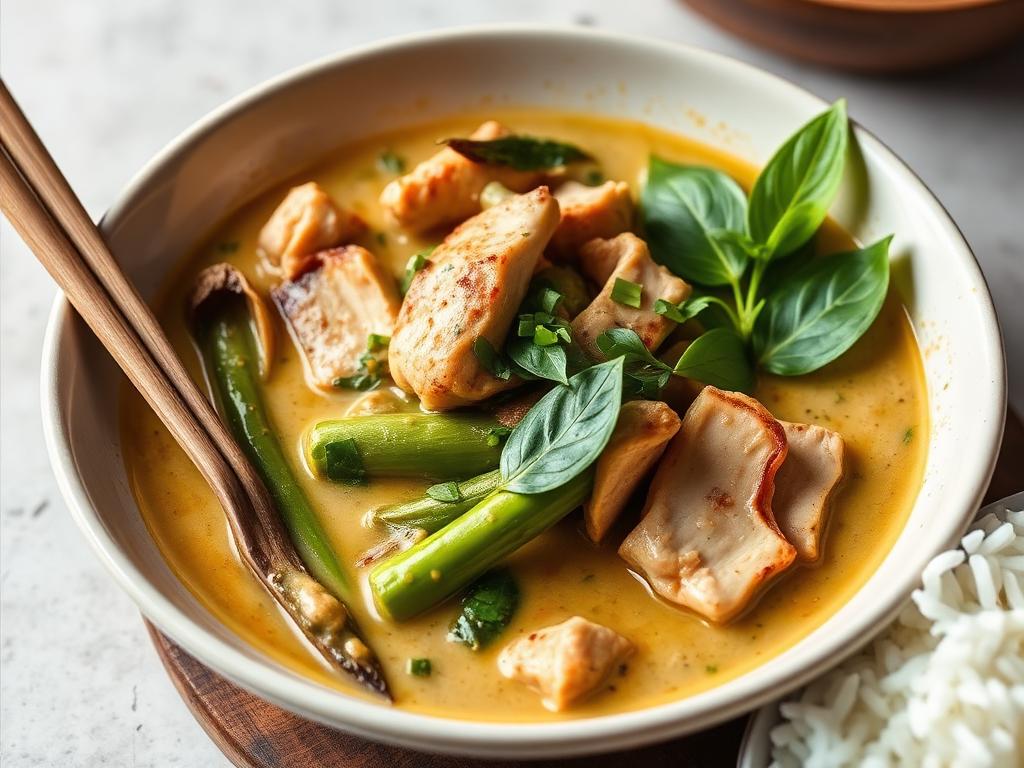
Authentic Thai Green Curry
Aromatic Coconut Curry with Tender Chicken
Prep Time
15 mins
Cook Time
25 mins
Servings
4
Difficulty
Easy
Published
June 3, 2025
Thai green curry is a symphony of flavors - spicy, sweet, salty, and aromatic all at once, with tender chicken swimming in a silky coconut sauce studded with vegetables and fragrant with Thai basil. This dish represents the heart of Thai home cooking, where fresh curry paste (made from green chilies, lemongrass, galangal, shallots, and spices) forms the foundation of an intensely flavored yet remarkably quick meal. Our recipe uses store-bought green curry paste as a convenient starting point, but we teach you how to enhance it for deeper, more authentic flavor. The technique involves 'cracking' the coconut cream first - cooking it until the fat separates, then frying the curry paste in that aromatic oil to bloom the spices. This step transforms good curry into exceptional curry. We add vegetables strategically: hardy vegetables like bamboo shoots early, and delicate ones like Thai eggplant and basil at the end to preserve their texture and color. The finished curry should be creamy but not thick, with a beautiful green color and an aroma that makes everyone in the house hungry. Serve over fragrant jasmine rice, which serves both as a neutral base and a way to temper the heat for those who find the curry too spicy.
Ingredients
Instructions
- 1
Prepare the Coconut Cream
Open coconut milk cans without shaking. Scoop out the thick cream that has risen to the top (about 1 cup total) and set aside. Reserve the thinner coconut water/milk for later. This separation is key to the technique - we'll fry our curry paste in the coconut fat.
- 2
Crack the Coconut Cream
In a wok or large skillet, heat coconut cream over medium-high heat. Cook, stirring occasionally, for 5-8 minutes until the cream 'breaks' and you see oil separating around the edges. The cream will reduce and become slightly oily. This step intensifies the coconut flavor and provides fat for frying the paste.
- 3
Fry the Curry Paste
Add curry paste to the cracked coconut cream. Fry vigorously for 2-3 minutes, stirring constantly. The paste should sizzle and become fragrant, releasing the aromatic compounds in the spices. Add kaffir lime leaves and stir. The kitchen should now smell incredibly aromatic.
- 4
Cook the Chicken
Add sliced chicken to the wok. Stir to coat in the curry paste mixture. Cook for 3-4 minutes, stirring occasionally, until chicken is no longer pink on the outside. The chicken doesn't need to be cooked through at this point as it will finish cooking in the simmering curry.
- 5
Build the Curry
Pour in reserved coconut water/milk. Add fish sauce and palm sugar, stirring to dissolve. Add bamboo shoots and Thai eggplant. Bring to a boil, then reduce heat and simmer for 10-12 minutes until chicken is cooked through and eggplant is tender.
- 6
Add Final Vegetables
Add red bell pepper and sliced chilies. Cook for 2-3 more minutes until peppers are just tender but still vibrant. Taste the curry and adjust seasoning - add more fish sauce for saltiness, sugar for sweetness, or curry paste for heat. Thai curries balance all these elements.
- 7
Finish with Basil
Remove curry from heat. Stir in most of the Thai basil leaves - they will wilt quickly in the hot curry. Thai basil has a distinctive anise-like flavor that's essential to authentic green curry. Reserve some leaves for garnish.
- 8
Serve Immediately
Ladle curry into bowls over steamed jasmine rice. Garnish with reserved Thai basil leaves and extra sliced chilies if desired. The curry should have a loose, soupy consistency - it's meant to be eaten with rice that absorbs the flavorful liquid. Serve immediately while basil is still aromatic and vegetables retain their color.
Pro Tips
- 💡Full-fat coconut milk is essential; lite versions won't 'crack' properly and produce watery curry.
- 💡Quality curry paste makes a huge difference - Mae Ploy or Maesri are reliable Thai brands widely available.
- 💡Kaffir lime leaves are distinctive and worth seeking at Asian markets; substitute with lime zest if unavailable.
- 💡Thai basil is different from Italian basil - its anise flavor is authentic and worth finding at Asian grocery stores.
- 💡Leftover curry actually tastes better the next day as flavors meld; reheat gently to avoid overcooking the chicken.
Nutrition Facts
Per serving (approximate values)
445
Calories
32g
Protein
18g
Carbs
28g
Fat
References & Resources
Helpful resources for nutrition data, food safety guidelines, and cooking techniques:
- USDA FoodData Central — Comprehensive food composition & nutrition database
- FDA Food Safety — U.S. food safety regulations and guidance
- USDA FSIS — Food Safety and Inspection Service
- WHO Food Safety — Global food safety information and resources
- USDA MyPlate — Dietary guidelines and healthy eating tips
- Serious Eats — In-depth recipes, techniques, and science of cooking
- Wikipedia: Cooking — Overview of cooking history, methods, and science
You Might Also Like
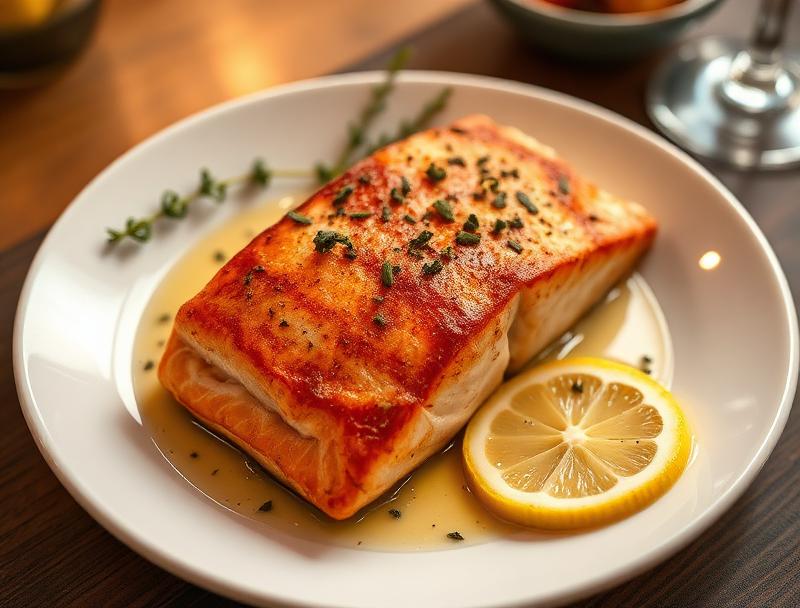
Pan-Seared Lemon Herb Salmon
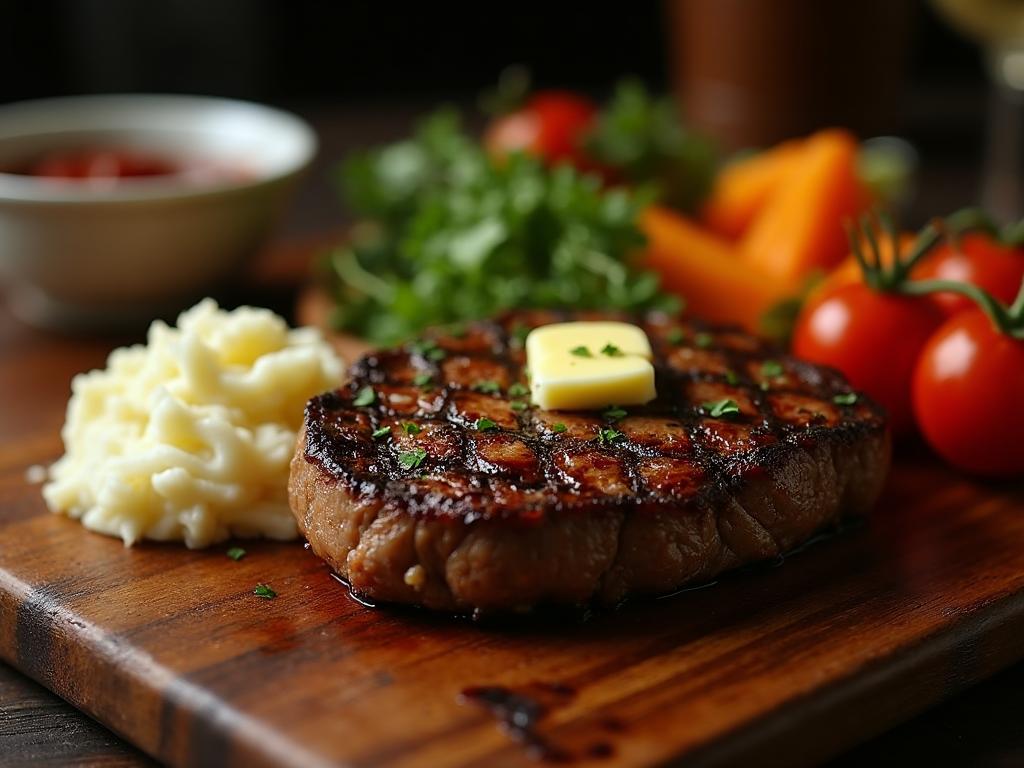
Perfect Grilled Ribeye with Herb Butter
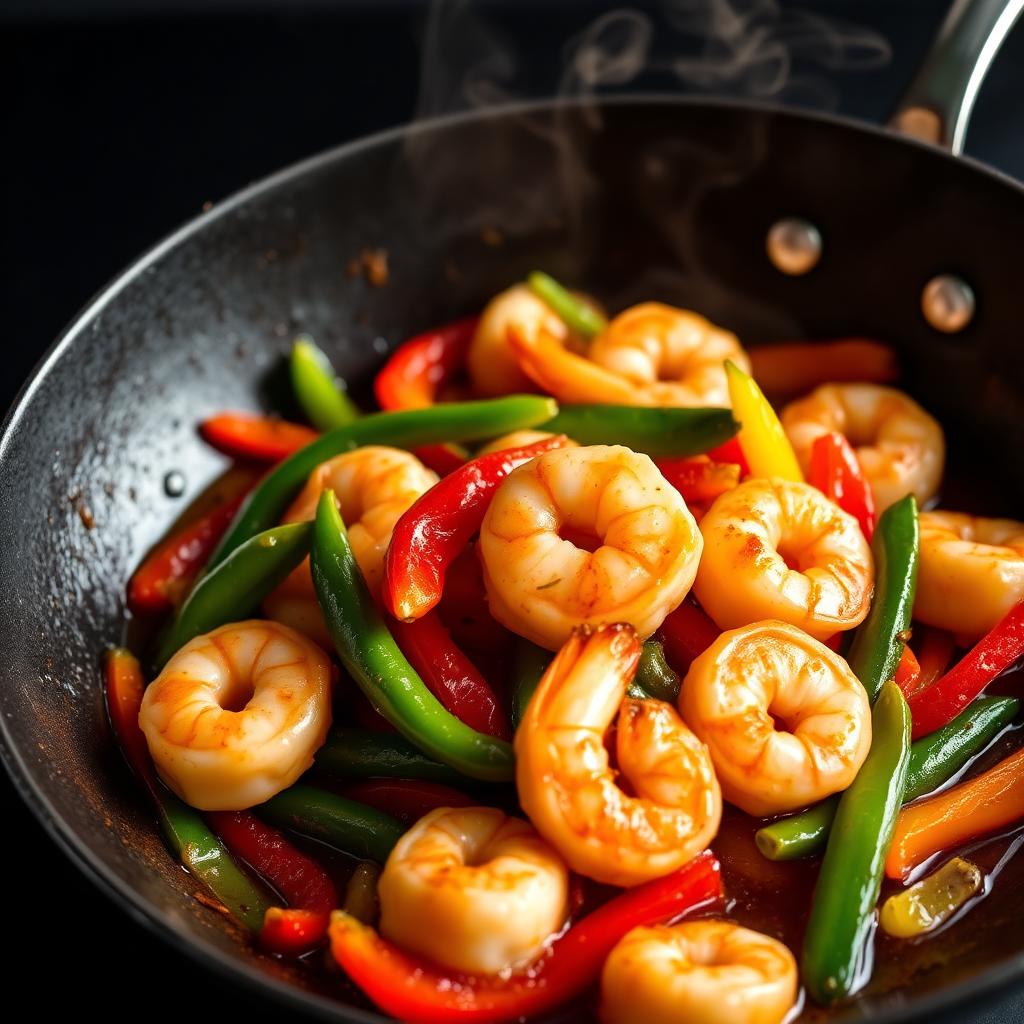
Authentic Pad Thai with Shrimp