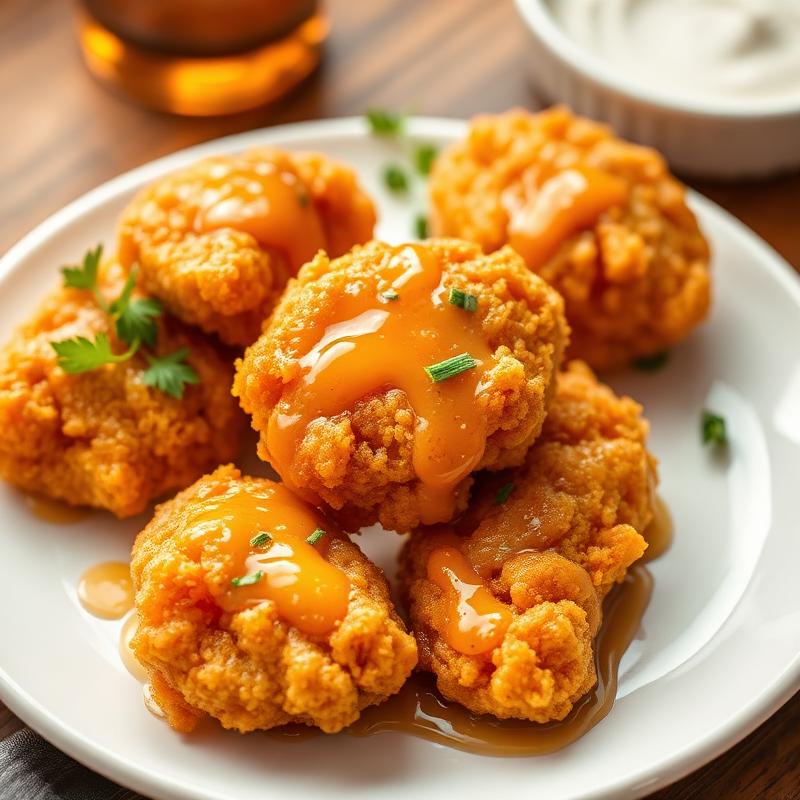
Honey Garlic Glazed Salmon
Sweet, Savory, and Perfectly Caramelized
Prep Time
10 mins
Cook Time
18 mins
Servings
4
Difficulty
Easy
Published
June 15, 2025
This honey garlic salmon delivers restaurant-quality results in under 30 minutes, making it the perfect weeknight dinner that's impressive enough for company. The glaze - a harmonious blend of golden honey, pungent garlic, savory soy sauce, and bright lemon - caramelizes in the oven to create a glossy, lacquered finish that's as beautiful as it is delicious. Salmon is the ideal canvas for this glaze: its rich, buttery flesh absorbs the sweet-savory flavors while its natural oils keep it moist during cooking. The technique is straightforward: sear the salmon briefly on the stovetop to develop a golden crust, brush generously with glaze, then finish in a hot oven where the glaze bubbles and caramelizes while the salmon cooks to perfect medium doneness. The result is salmon with a slightly crisp, caramelized exterior giving way to silky, flaky flesh inside. We serve it over a bed of simply prepared asparagus that roasts alongside the fish, making this a complete and elegant meal. The entire dish comes together on one pan, making cleanup nearly as effortless as the cooking. Once you master this technique, you'll have a reliable, crowd-pleasing recipe you can customize with different glazes throughout the year.
Ingredients
Instructions
- 1
Make the Glaze
In a small bowl, whisk together honey, soy sauce, minced garlic, lemon juice, lemon zest, black pepper, and red pepper flakes if using. Set aside. This glaze can be made ahead and refrigerated for up to a week. The balance of sweet honey, savory soy, pungent garlic, and bright lemon creates a complex flavor profile.
- 2
Prepare for Cooking
Remove salmon from refrigerator 15 minutes before cooking to take the chill off - this ensures more even cooking. Pat fillets completely dry with paper towels; moisture prevents browning. Preheat oven to 400°F (200°C). Line a baking sheet with foil for easy cleanup.
- 3
Prepare the Asparagus
Toss trimmed asparagus with 2 tablespoons olive oil, salt, and pepper. Spread in a single layer on one side of the prepared baking sheet. The asparagus will roast alongside the salmon, requiring no extra effort.
- 4
Sear the Salmon
Heat 1 tablespoon olive oil and butter in a large oven-safe skillet over medium-high heat until shimmering. Season salmon with salt and pepper. Place salmon presentation-side down (the side you want facing up when serving) in the hot pan. Sear without moving for 3 minutes until golden brown and releases easily from pan.
- 5
Apply First Glaze
Flip salmon so seared side is up. Immediately brush generously with about half of the honey garlic glaze, letting it drip down the sides. The hot salmon will start to caramelize the glaze immediately - you'll see it bubble and darken slightly.
- 6
Roast in Oven
If your skillet is oven-safe, transfer directly to the oven. Otherwise, transfer glazed salmon to the baking sheet next to the asparagus. Roast for 8-10 minutes for medium (still slightly translucent in center) or 12 minutes for well-done. Halfway through, brush with remaining glaze.
- 7
Check Doneness
Salmon is done when it flakes easily with a fork and registers 125°F (for medium) to 145°F (for well-done) on an instant-read thermometer. The glaze should be caramelized and glossy, with some charred spots. Remember, salmon continues cooking after leaving the oven, so err on the side of undercooking slightly.
- 8
Serve Immediately
Transfer salmon and asparagus to serving plates. Drizzle any pan juices over the fish. Garnish with fresh parsley and serve with lemon wedges. The lemon provides brightness that cuts through the sweet glaze. Pair with steamed rice or roasted potatoes for a complete meal. Serve immediately while glaze is still glossy and salmon is at peak texture.
Pro Tips
- 💡Wild salmon has a more pronounced flavor; farmed Atlantic salmon is milder and fattier - both work beautifully here.
- 💡If your salmon has skin, score it lightly before searing to prevent curling.
- 💡For extra caramelization, broil for the final 1-2 minutes - watch carefully to prevent burning.
- 💡Make double the glaze and save half for brushing on just before serving for an extra-glossy finish.
- 💡This technique works equally well with other fish like trout, arctic char, or even chicken thighs.
Nutrition Facts
Per serving (approximate values)
385
Calories
34g
Protein
22g
Carbs
18g
Fat
References & Resources
Helpful resources for nutrition data, food safety guidelines, and cooking techniques:
- USDA FoodData Central — Comprehensive food composition & nutrition database
- FDA Food Safety — U.S. food safety regulations and guidance
- USDA FSIS — Food Safety and Inspection Service
- WHO Food Safety — Global food safety information and resources
- USDA MyPlate — Dietary guidelines and healthy eating tips
- Serious Eats — In-depth recipes, techniques, and science of cooking
- Wikipedia: Cooking — Overview of cooking history, methods, and science
You Might Also Like
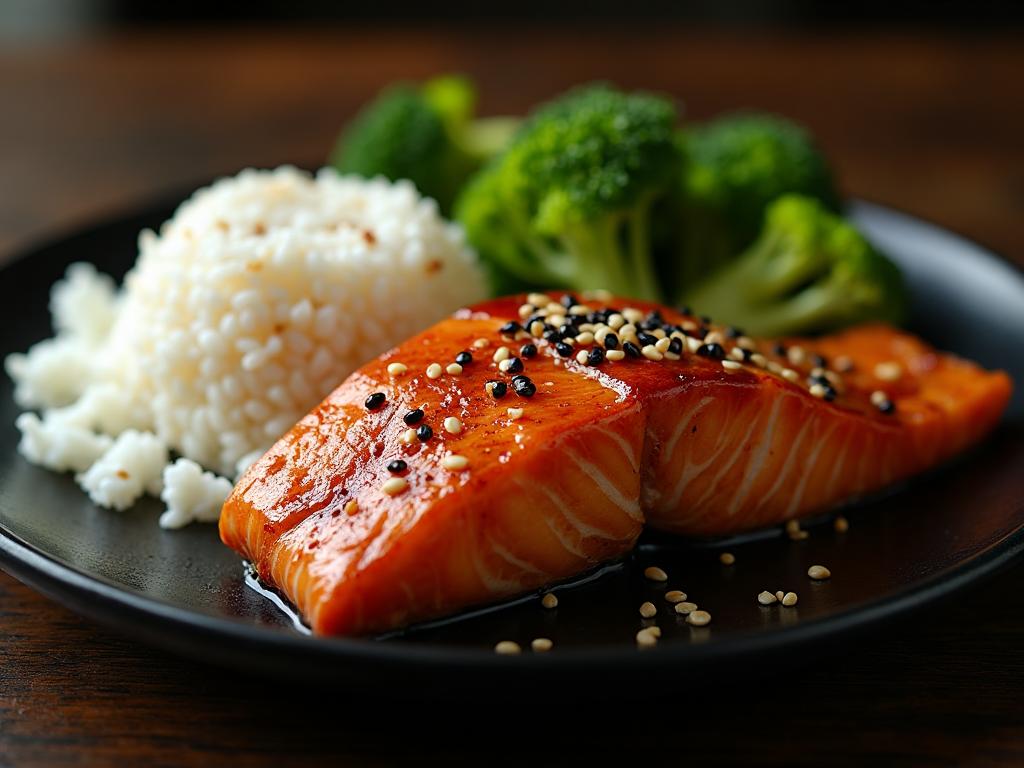
Teriyaki Glazed Salmon with Steamed Rice
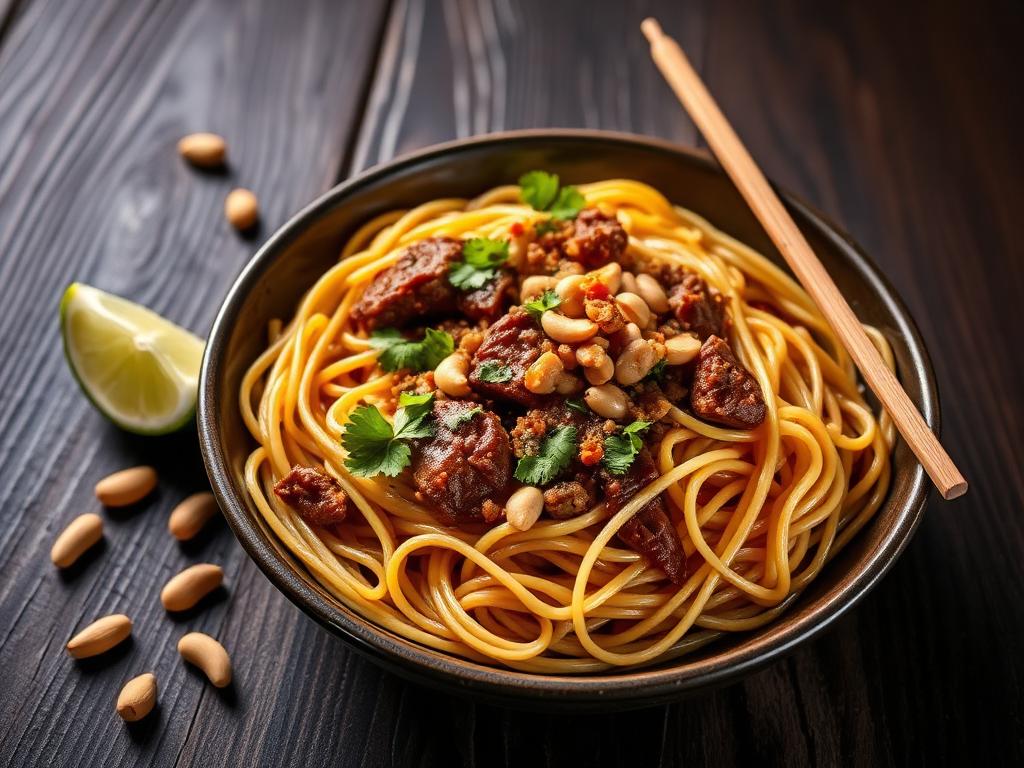
Authentic Pad Thai with Shrimp
Sizzling Chicken Fajitas