Perfect Fluffy Scrambled Eggs on Toast
Breakfast Classic
Prep Time
5 mins
Cook Time
5 mins
Servings
2
Difficulty
Easy
Published
June 15, 2025
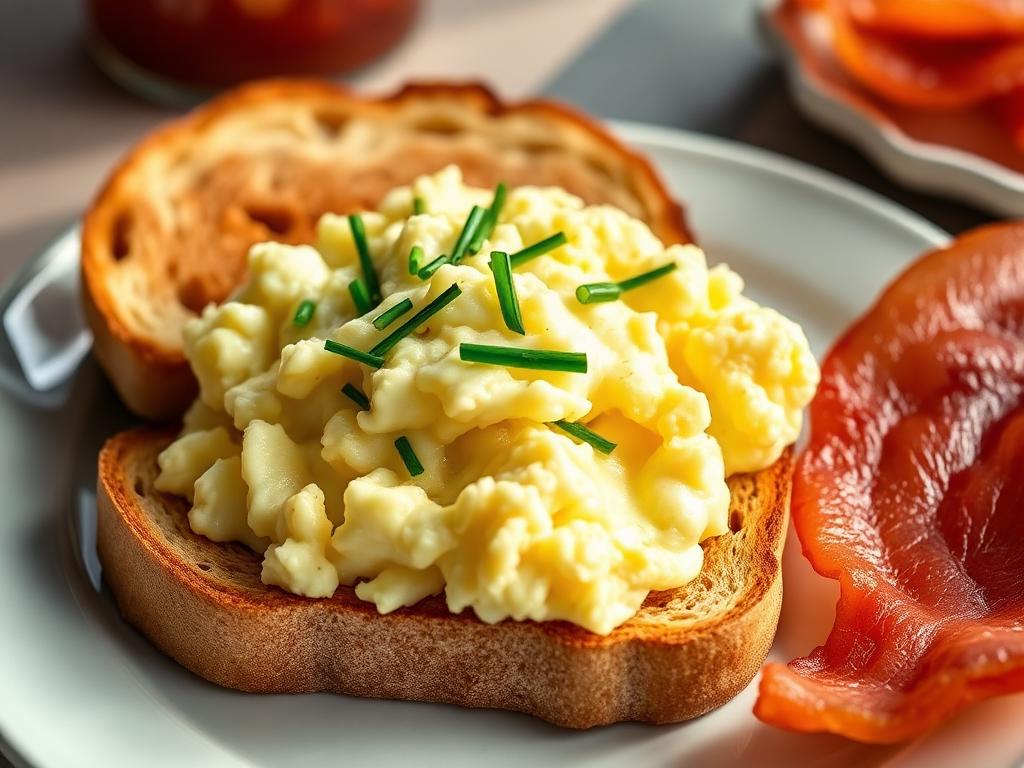
The humble scrambled egg is often the first dish people learn to cook, yet achieving truly perfect scrambled eggs - creamy, fluffy, and gently set into soft, pillowy curds - remains an elusive goal for many home cooks. This recipe reveals the secrets that separate restaurant-quality scrambled eggs from the rubbery, overcooked versions that have given this simple dish a mediocre reputation. The transformation begins with understanding that eggs are incredibly heat-sensitive and benefit enormously from gentle, patient cooking. Low heat is your friend: by cooking the eggs slowly over medium-low heat, you maintain control over the process and can stop cooking at exactly the right moment, when the eggs are still slightly wet and glossy. They'll continue cooking from residual heat as you plate them, reaching perfect consistency just as they hit the table. The second secret is constant, gentle movement - not vigorous stirring, but a slow pushing of the eggs from the edges toward the center, creating large, luxurious curds rather than small, dry crumbs. Adding a splash of milk or cream introduces extra moisture and fat that keeps the eggs tender, while quality butter in the pan provides richness and helps conduct heat evenly. Fresh chives, scattered on top just before serving, add color and a gentle onion flavor that complements eggs beautifully. Serve these perfect eggs on thick slices of well-toasted bread - the textural contrast between creamy eggs and crispy toast is what breakfast dreams are made of. Once you've mastered this technique, you'll never go back to your old ways of making scrambled eggs.
Ingredients
Instructions
- 1
Whisk the Eggs Properly
Crack all four eggs into a mixing bowl. Add the milk or cream, salt, and a pinch of black pepper. Whisk vigorously for at least 30 seconds until the mixture is completely homogeneous with no visible streaks of white or yolk, and the surface shows tiny bubbles indicating you've incorporated air. This thorough whisking is essential for the fluffiest texture.
- 2
Prepare Your Pan
Place a non-stick skillet over medium-low heat - this lower temperature is crucial and non-negotiable for creamy eggs. Add the butter and let it melt completely, swirling the pan to coat the entire surface evenly. The butter should foam gently but never brown; if it starts to darken, your heat is too high. Wait until the butter stops foaming before adding the eggs.
- 3
Begin the Slow Cook
Pour the whisked eggs into the warm, buttery pan. Let them sit undisturbed for about 20-30 seconds until you see the edges just beginning to set. Then, using a rubber spatula or wooden spoon, gently push the eggs from the edges toward the center of the pan, allowing the uncooked egg to flow into the cleared space. This creates those large, soft curds that are the hallmark of properly made scrambled eggs.
- 4
Master the Movement
Continue this gentle pushing motion every 10-15 seconds, working slowly and patiently. The eggs should cook gradually, forming soft, pillowy mounds. Resist the urge to stir constantly or break up the curds too much. The goal is large, creamy folds of egg. After about 2-3 minutes, when the eggs are about 80% set but still look slightly wet and glossy, remove the pan from the heat entirely.
- 5
Rest and Serve Immediately
The residual heat from the pan will continue cooking the eggs to perfection. Give them a final gentle fold, then immediately transfer the eggs to your prepared toast. Don't let them sit in the hot pan or they'll overcook. Garnish with fresh chopped chives and an extra crack of black pepper. The toast should be well-browned and still warm - the textural contrast is essential to the experience.
Pro Tips
- 💡Low and slow is the absolute secret to creamy eggs - never rush this process. High heat will give you tough, rubbery results every time.
- 💡Remove the eggs from heat while they still look slightly underdone and wet - they continue cooking from residual heat and will be perfect by the time you eat them.
- 💡Room temperature eggs cook more evenly than cold eggs straight from the refrigerator.
- 💡Elevate your scrambled eggs by adding crumbled goat cheese, smoked salmon, sautéed mushrooms, or sliced avocado - this basic technique forms the foundation for endless variations.
Nutrition Facts
Per serving (approximate values)
320
Calories
18g
Protein
22g
Carbs
18g
Fat
References & Resources
Helpful resources for nutrition data, food safety guidelines, and cooking techniques:
- USDA FoodData Central — Comprehensive food composition & nutrition database
- FDA Food Safety — U.S. food safety regulations and guidance
- USDA FSIS — Food Safety and Inspection Service
- WHO Food Safety — Global food safety information and resources
- USDA MyPlate — Dietary guidelines and healthy eating tips
- Serious Eats — In-depth recipes, techniques, and science of cooking
- Wikipedia: Cooking — Overview of cooking history, methods, and science
You Might Also Like
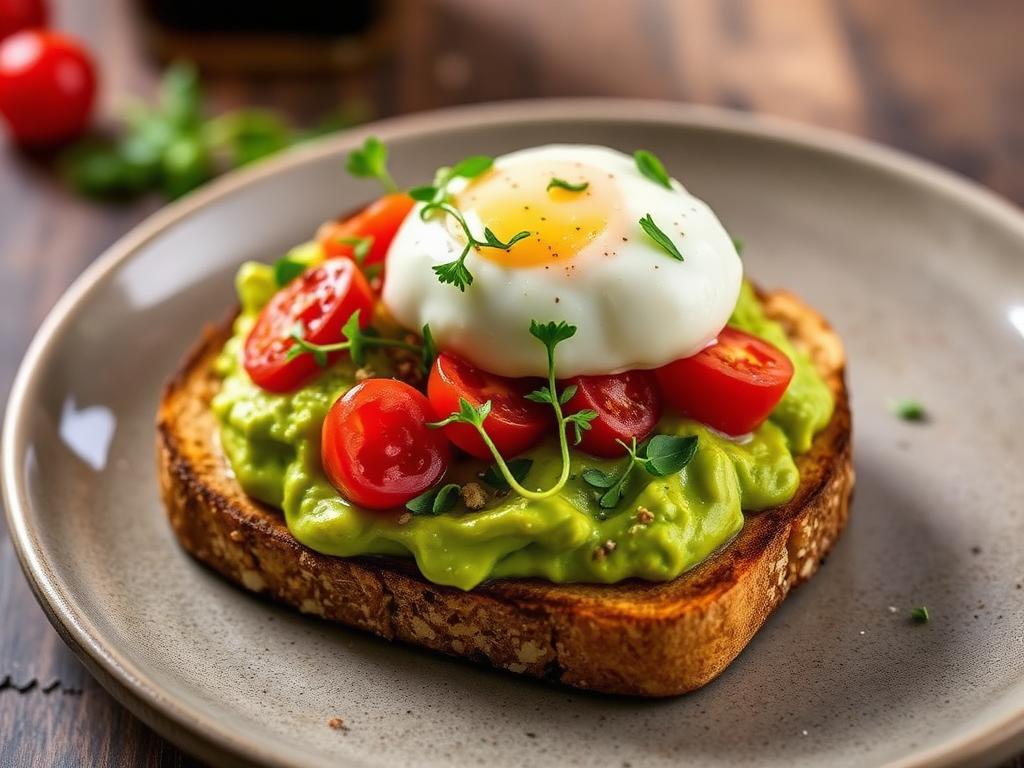
Avocado Toast with Poached Eggs
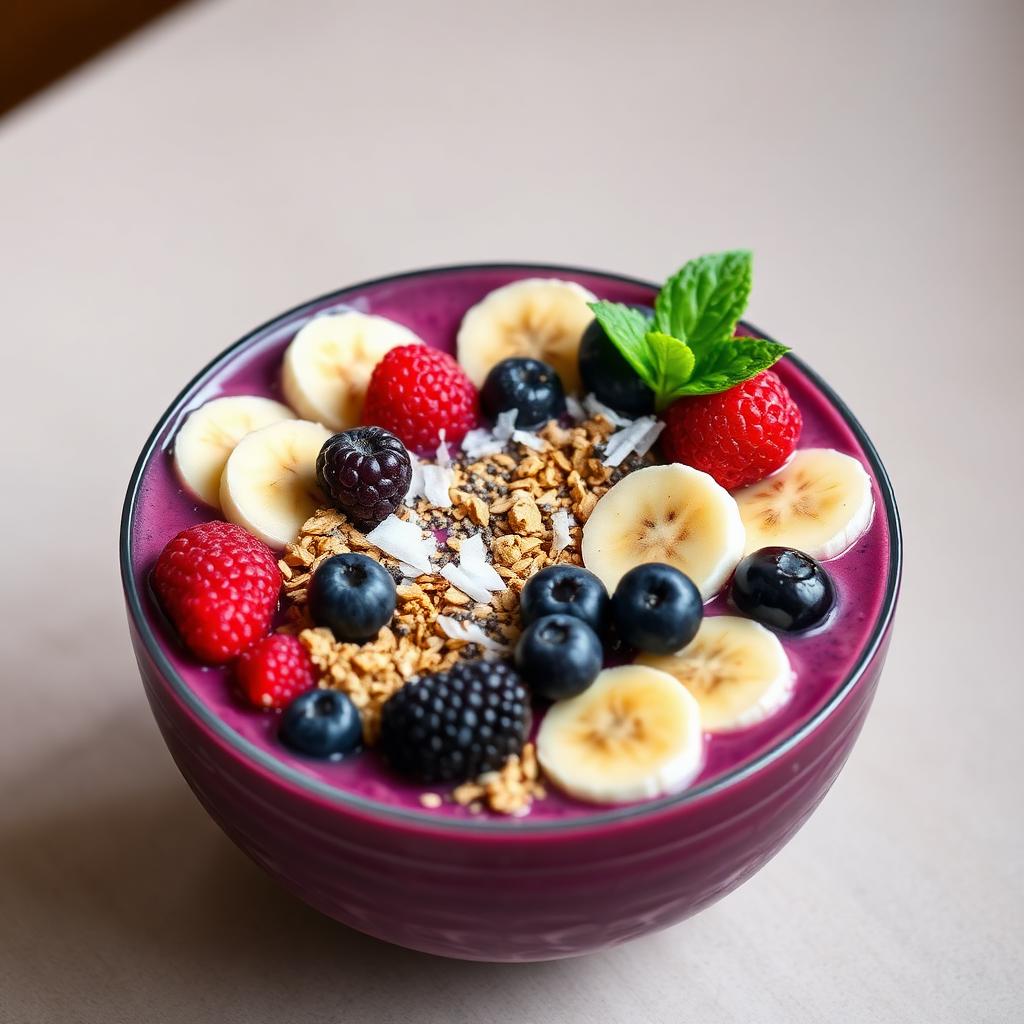
Berry Açaí Smoothie Bowl
Fluffy Buttermilk Pancakes