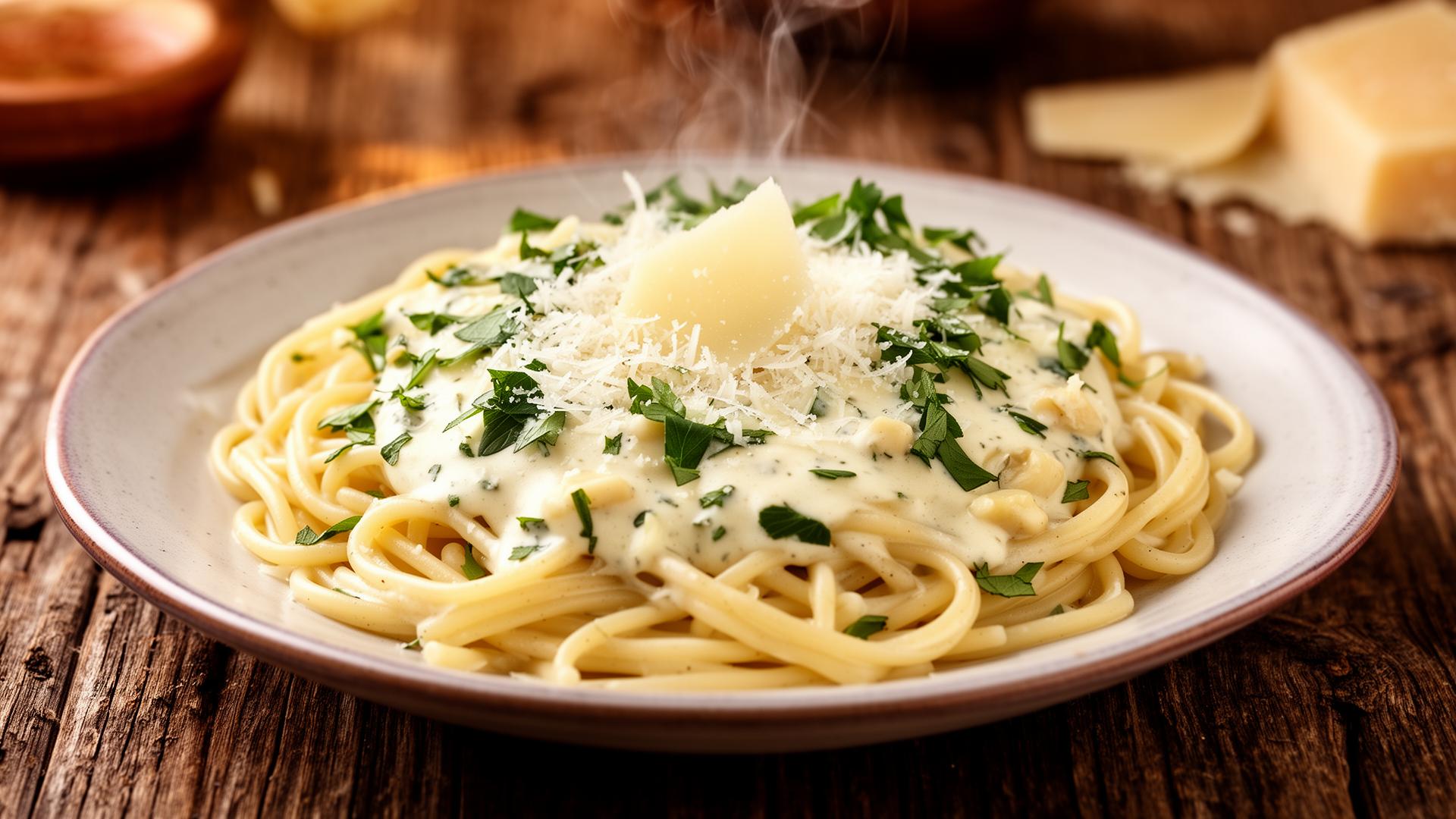
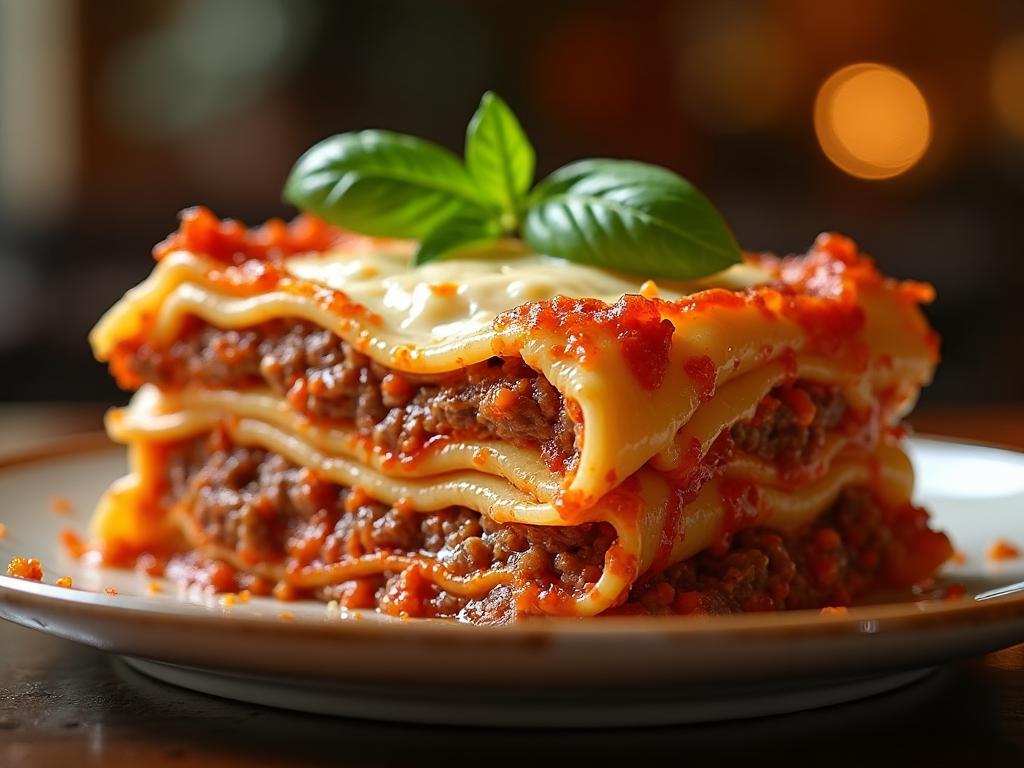
Classic Italian Beef Lasagna
Layers of Comfort Perfection
Prep Time
45 mins
Cook Time
75 mins
Servings
12
Difficulty
Medium
Published
June 5, 2025
Every family has that one dish that appears at every gathering, the recipe that gets requested for birthdays and holidays, the comfort food that somehow tastes like love made edible. In my family, that dish is lasagna. My grandmother made it the Italian-American way she learned from her mother-in-law, and I spent years hovering in her kitchen, watching and taking mental notes, before I finally attempted it myself. That first attempt was a disaster - the noodles were mushy, the sauce was watery, and the whole thing collapsed into a pile of delicious-but-ugly rubble when I tried to serve it. But I kept trying, adjusting and learning, until I finally understood what makes a truly great lasagna: it is all about the layers and the technique. The meat sauce needs time to develop - you cannot rush the browning of the beef and sausage, because that caramelization is where the deep, complex flavor comes from. The tomatoes need to simmer low and slow until they transform from acidic and bright to sweet and mellow. I use San Marzano tomatoes because they have less water and more natural sugar than regular canned tomatoes, and the difference is noticeable. The game-changer for my lasagna was discovering béchamel sauce. Many American recipes call for ricotta cheese between the layers, which is fine, but béchamel - that classic French white sauce made from butter, flour, and milk - creates a silkiness that ricotta simply cannot match. It binds everything together and adds a subtle richness that makes each bite feel luxurious. I still remember the first time I served my improved version at a family dinner: my grandmother, who by then was in her eighties and had eaten countless lasagnas in her life, took a bite and nodded approvingly. She did not say anything, but she did not need to - that nod was worth more than any compliment. Now I make this lasagna whenever the occasion calls for something special, which is surprisingly often. It feeds a crowd, which makes it perfect for gatherings. The leftovers are arguably better than the fresh version, having spent time in the refrigerator allowing the flavors to meld. And it freezes beautifully, meaning I can always have homemade lasagna ready for unexpected guests or those nights when I need comfort but do not have the energy to cook.
Ingredients
Instructions
- 1
Prepare the Meat Sauce
In a large Dutch oven or heavy pot, cook ground beef and Italian sausage over medium-high heat, breaking into small pieces with a wooden spoon. Cook until deeply browned, about 10-12 minutes. Don't rush this step - the browning creates essential flavor. Remove meat and set aside, draining excess fat but leaving about 2 tablespoons in the pot.
- 2
Build Sauce Aromatics
Add diced onion to the pot and cook until softened and translucent, about 5 minutes. Add garlic and cook until fragrant, about 1 minute. Stir in tomato paste and cook for 2 minutes to caramelize slightly.
- 3
Simmer the Sauce
Return meat to pot. Add crushed tomatoes, oregano, dried basil, 1 teaspoon salt, and pepper. Bring to a simmer, then reduce heat to low. Cook uncovered for 30-45 minutes, stirring occasionally, until sauce is thick and flavorful. The longer it simmers, the better the flavor develops.
- 4
Make the Béchamel
In a separate saucepan, melt butter over medium heat. Whisk in flour and cook for 2 minutes, stirring constantly - this cooks out the raw flour taste. Gradually whisk in warm milk, adding about 1/2 cup at a time and whisking until smooth before adding more. Continue cooking and whisking until sauce thickens enough to coat the back of a spoon, about 8-10 minutes. Remove from heat and stir in nutmeg and remaining 1 teaspoon salt.
- 5
Prepare Noodles
If using regular lasagna noodles, cook according to package directions until just al dente. Drain and lay flat on oiled baking sheets to prevent sticking. No-boil noodles can be used directly but ensure your sauces are adequately moist.
- 6
Preheat and Prep
Preheat oven to 375°F (190°C). Lightly grease a 9x13 inch baking dish. Combine mozzarella and Parmesan in a bowl, reserving 1 cup of the mixture for the top layer.
- 7
Layer the Lasagna
Spread 1 cup meat sauce on the bottom of the dish. Layer noodles to cover (about 3-4 noodles), then spread 1/3 of remaining meat sauce, 1/3 of béchamel, and 1/3 of cheese mixture. Repeat layers twice more. Top with final layer of noodles, remaining béchamel, and reserved cheese.
- 8
Bake to Perfection
Cover tightly with foil and bake for 45 minutes. Remove foil and bake an additional 15-20 minutes until top is golden brown and bubbling around the edges. The internal temperature should reach 165°F.
- 9
Rest and Serve
This is crucial: let lasagna rest for 15-20 minutes before cutting. This allows layers to set and makes slicing infinitely easier. Garnish with fresh basil leaves and serve with crusty garlic bread and a simple green salad.
Pro Tips
- 💡Make the meat sauce a day ahead - it tastes even better after the flavors meld overnight in the refrigerator.
- 💡Room temperature béchamel incorporates more smoothly, so make it just before assembling if possible.
- 💡For easier slicing, use a serrated knife and wipe the blade between cuts.
- 💡Freeze assembled unbaked lasagna for up to 3 months. Thaw in refrigerator overnight before baking, adding 15-20 minutes to cook time.
- 💡Don't skip the resting time - cutting too early results in a soupy mess instead of beautiful defined layers.
Nutrition Facts
Per serving (approximate values)
485
Calories
28g
Protein
42g
Carbs
24g
Fat
References & Resources
Helpful resources for nutrition data, food safety guidelines, and cooking techniques:
- USDA FoodData Central — Comprehensive food composition & nutrition database
- FDA Food Safety — U.S. food safety regulations and guidance
- USDA FSIS — Food Safety and Inspection Service
- WHO Food Safety — Global food safety information and resources
- USDA MyPlate — Dietary guidelines and healthy eating tips
- Serious Eats — In-depth recipes, techniques, and science of cooking
- Wikipedia: Cooking — Overview of cooking history, methods, and science
You Might Also Like
Crispy Honey Garlic Chicken Bites
One-Pot Tomato Basil Pasta
Easy Homemade Beef Tacos